







Search Results for: Ice Blog

Why has Jersey milk become the new favorite of coffee shops? An in-depth review of its high price yet making Dirty coffee more outstanding
In today's world of constantly upgrading specialty coffee, the success of a milk coffee depends not only on the beans and the barista—the choice of milk is equally crucial. From Ice Blog to Jersey milk, competition among coffee shops over milk sources is growing ever fiercer. Jersey milk has been dubbed the "Hermès of milk," priced far above ordinary fresh milk, yet it is still sought after by many specialty cafés. What exactly justifies its high price? Is its taste truly superior? What kind of flavor performance does it bring when used to make a Dirty and a latte? Through actual testing of three different milks, this article comprehensively analyzes the application value of Jersey milk in coffee—from fat, protein, and lactose content to actual brewing results—and explores whether it is suitable for everyday milk coffee preparation. [more…]
Why Is Jersey Milk So Expensive? A Hands-On Report on Making Lattes and Dirty Coffee with It
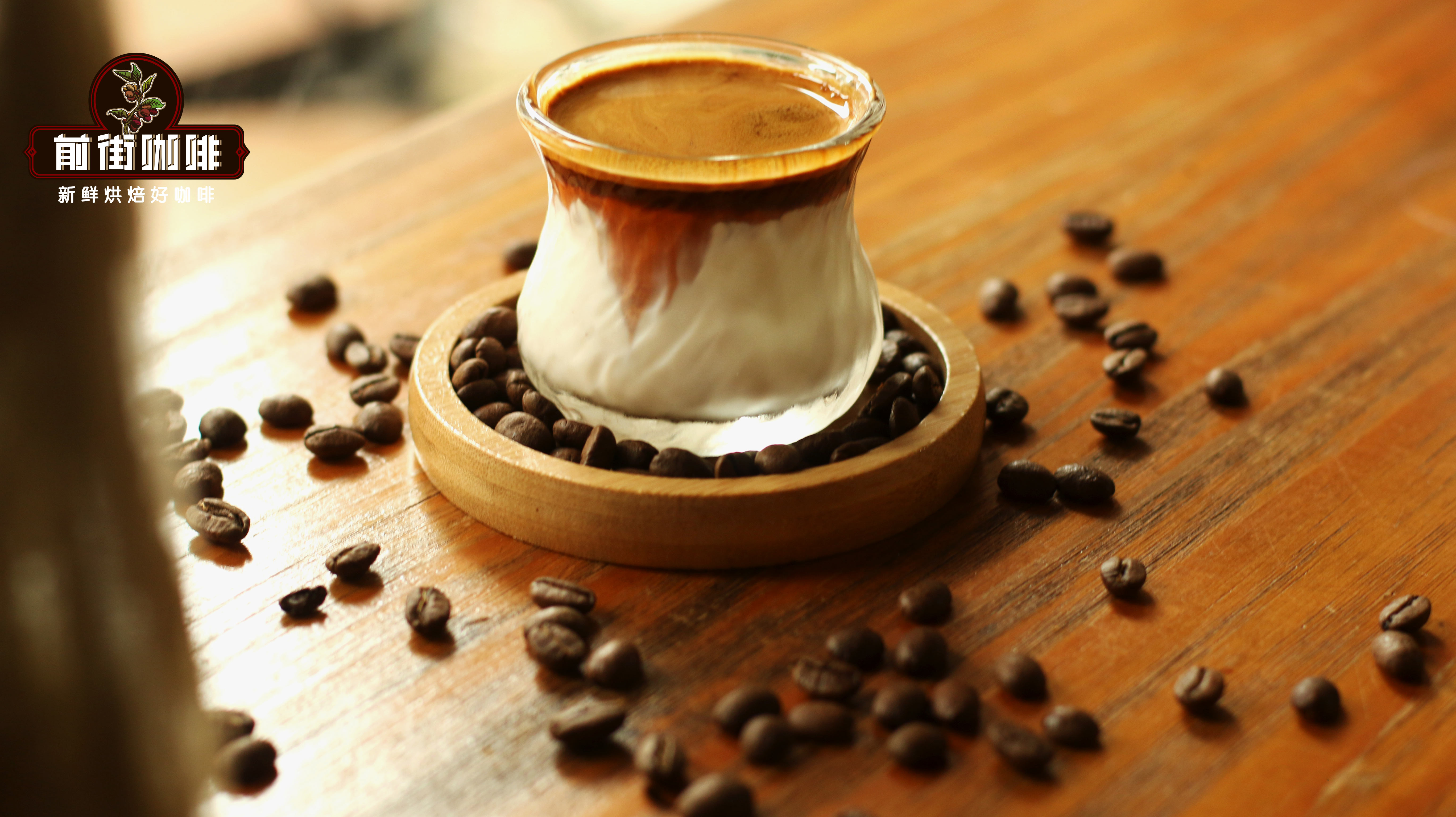
In the world of specialty coffee, milk is no longer an optional supporting player—it is the key variable that determines the quality of a milk-based coffee. From Ice Blog to Jersey milk, coffee shops are becoming increasingly discerning about their milk sources. Jersey milk has long been known as the "Hermès of milk," priced far above ordinary fresh milk—so what exactly makes it so expensive? And how does it perform in a Dirty and a latte? This article will analyze the Jersey cow's breed origins, butterfat and protein content, and other dimensions, and compare the actual performance of Xiangmanlou and Weipin Jersey milk versus ordinary fresh milk in Dirty and hot lattes, to help you decide whether Jersey milk is worth paying for in your milk coffee. [more…]
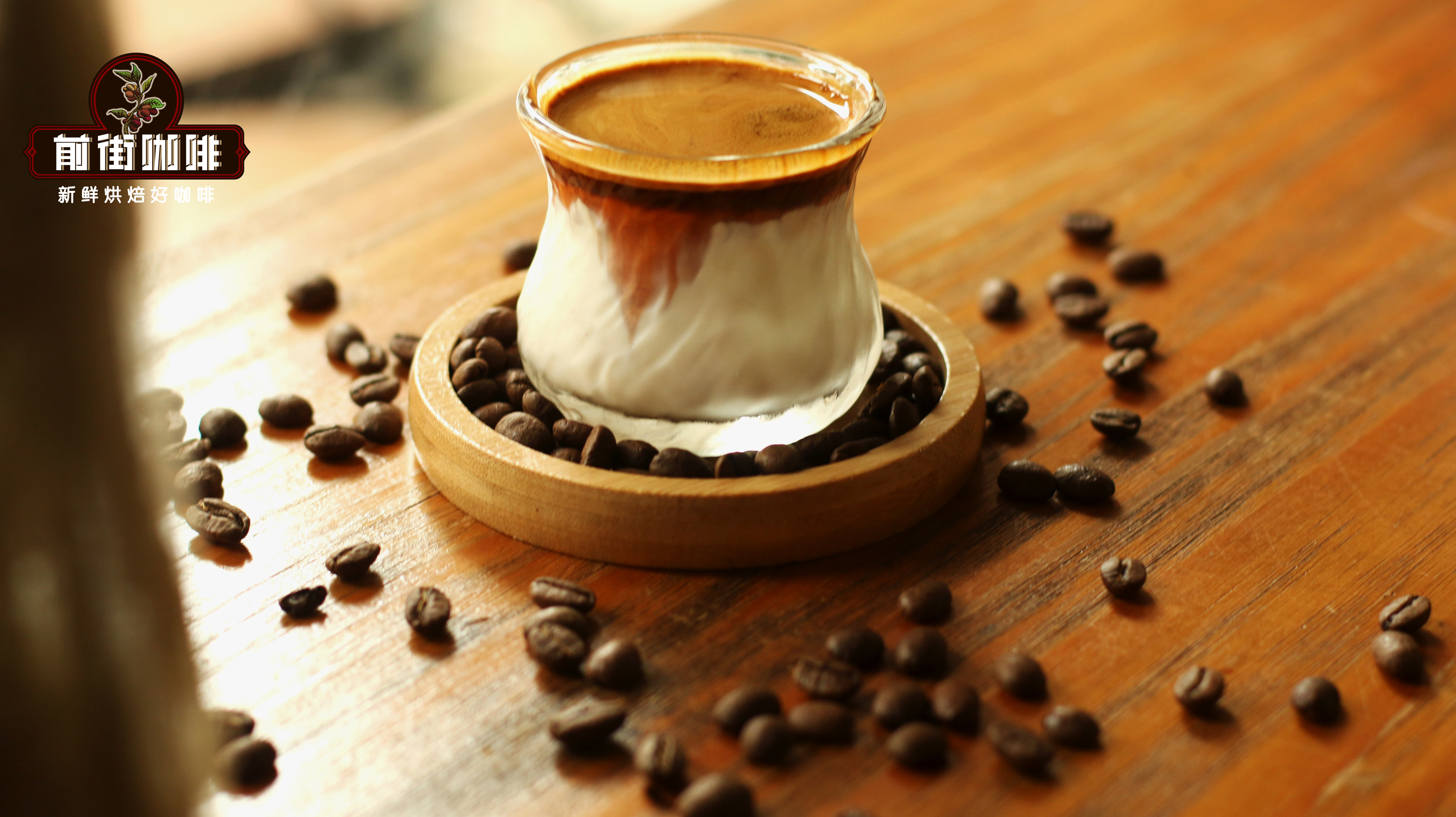
Dirty Coffee Recipe Ratio | How Can Coffee Beginners Make a Dirty Coffee? What's the Milk-to-Coffee Ratio for a Dirty Coffee? Which Coffee Beans Are Suitable for Making a Dirty Coffee?
Introduction: Dirty coffee burst onto the scene a few years ago, converting many latte loyalists into Dirty devotees. Unlike iced latte, Dirty coffee offers a visual and taste-bud double delight as you watch the espresso and milk create a gradient effect, and with one sip you go from rich coffee to sweet milk. [more…]
How Should You Drink a Dirty Coffee Correctly? A Full Analysis of Making Techniques and the Flavor and Mouthfeel Differences from Iced Latte
In recent years, Dirty coffee has quickly risen to fame, and many people who once loved lattes have switched camps. Unlike an iced latte, a Dirty is made by letting espresso and milk merge naturally, creating a fascinating layered gradient effect. The first sip delivers an intense coffee impact, which then turns into a smooth, sweet milky aroma—a true feast for both the eyes and the palate. Starting from the definition of a Dirty, this article will explain in detail how to make it, three key techniques, and its essential differences from an iced latte in terms of cup volume, mouthfeel, and flavor. At the same time, Front Street Coffee will also share how to choose suitable espresso beans and milk to help you make a perfectly layered, full-bodied Dirty at home. [more…]
Making Purified Milk at Home: A Full Guide to Ice Beer Thawing Methods, Milk Extraction Ratios, and Storage Tips
In the world of milk coffee, espresso is certainly the soul, but the choice of milk is equally important. In recent years, Ice Blogger purified milk, with its rich, sweet, and fragrant taste, has moved from specialty coffee shops into home kitchens, becoming a staple ingredient for many coffee lovers. This article addresses common questions about homemade Ice Blogger: from its German origins and appearances at WBC competitions, to the specific steps of freeze purification; from the choice between 200ml small bottles and 1-liter packs, and the impact of a 40% to 60% milk extraction ratio on flavor, to the time differences and hygiene considerations between room temperature and refrigerated thawing; finally, it also compiles recommended storage periods for homemade Ice Blogger. Front Street Coffee, combined with comparative experiments, provides a complete guide for friends who want to replicate Ice Blogger milk coffee at home. [more…]

Dirty Coffee Recipe Tutorial | What Are the Differences Between Dirty Coffee and Iced Latte? What Are the Key Points for Making Dirty Coffee?
For more specialty coffee knowledge, please follow our WeChat official account: Front Street Coffee (FrontStreet Coffee). Dirty Coffee, with its rather playful name, is a unique coffee style; visually, the coffee looks as if it has tainted the white fresh milk, and the blend of hot and cold brings a distinctive layer. [more…]
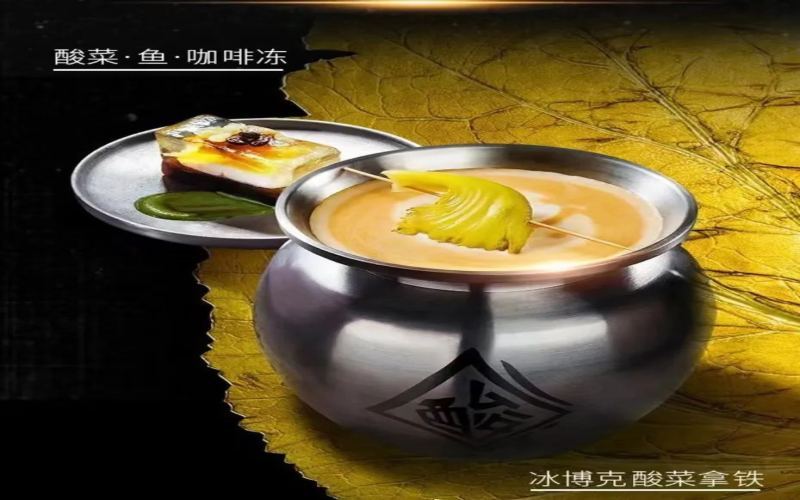
Tai Er Sauerkraut Fish launches new coffee products? Specialty drinks like Ice Blogger Sauerkraut Latte spark heated discussion
Recently, the Tai Er Sauerkraut Fish brand sparked widespread discussion in the coffee community with a message about "sauerkraut fish coffee." The brand claimed to launch "Tai Er Coffee Company" and introduced the world's first sauerkraut fish version of coffee, including special creations such as "Ice Blog Sauerkraut Latte" and "Sauerkraut · Fish · Coffee Jelly." The article described in detail the preparation methods of these creative drinks, such as grinding coffee beans in the way of chopping ingredients, and the "Opening Sour and Refreshing Iced Americano" with chrysanthemum petals and chili added. In addition, it mentioned products combining snacks with coffee, such as "Wasabi Shrimp Cappuccino" and "Beat Ex Ice Jelly Cold Brew." However, these special creations were not for sale and were just an April Fools' joke. The article also explored creative packaging for drip coffee bags and reminded readers that sauerkraut and milk should not be consumed together. Finally, it introduced brand information about Front Street Coffee, providing a professional communication channel for coffee enthusiasts. [more…]
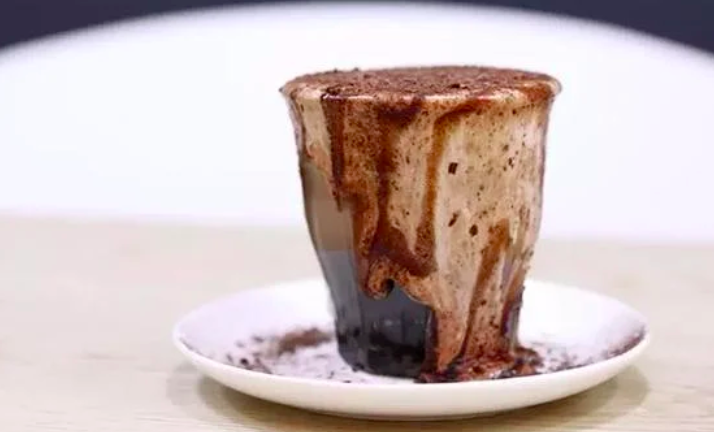
The Correct Way to Drink a Dirty Coffee | How Do You Make a Dirty with Distinct Layers? Does the Shape of the Cup Affect the Taste and Mouthfeel of a Dirty Coffee?
In recent years, a type of iced milk coffee called Dirty has become increasingly popular. The warm, rich espresso on top blends with the sweet, delicious cold milk, creating a unique mouthfeel of alternating hot and cold. Its photogenic good looks are an added bonus, and many cafés have added it to their regular menus. What is Dirty coffee? [more…]
Analysis of the Flavor Characteristics of Brazil Santos Coffee Beans: A Classic Single-Origin Representative from the World's Largest Coffee-Producing Country
As the world's largest coffee producer, Brazil's Santos coffee has become a classic representative with its mild and balanced flavor. This article provides a detailed introduction to the quality grading, roasting suggestions, flavor characteristics, and origin background of Brazilian Santos coffee, giving you a comprehensive understanding of this neutral bean hailed as the representative of the "coffee continent." The article also shares the applications of Santos coffee in espresso and specialty coffee drinks, as well as how it conquers enthusiasts with its low-key and understated style. Whether you are a coffee novice or a seasoned player, you can gain a thorough understanding of this famous Brazilian specialty from this article, which also includes recommendation information from Front Street Coffee. [more…]
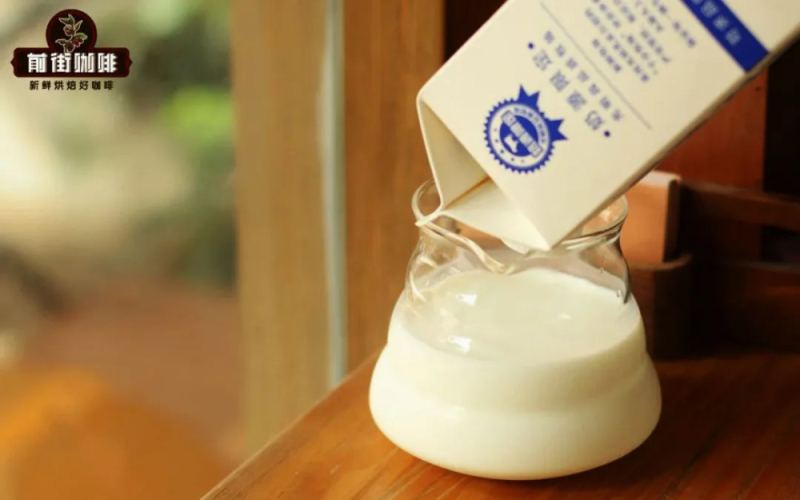
Can IceBock milk be drunk directly? A hands-on guide to making your own IceBock Dirty coffee
Can icebock milk be drunk directly? Is it really difficult to recreate an icebock Dirty coffee at home? This time, Front Street Coffee steps up personally, starting from the principle of freeze distillation and demonstrating step by step how to make rich, mellow icebock at home using a refrigerator and fresh milk, as well as putting its concentration difference against regular fresh milk to the test. The article also shares the complete process of making a Dirty with icebock, including cup size selection, extraction parameters, and flavor performance. If you are also curious about this kind of purified milk with a cheesy, savory note and a viscous mouthfeel, why not follow along with Front Street Coffee and give it a try. [more…]
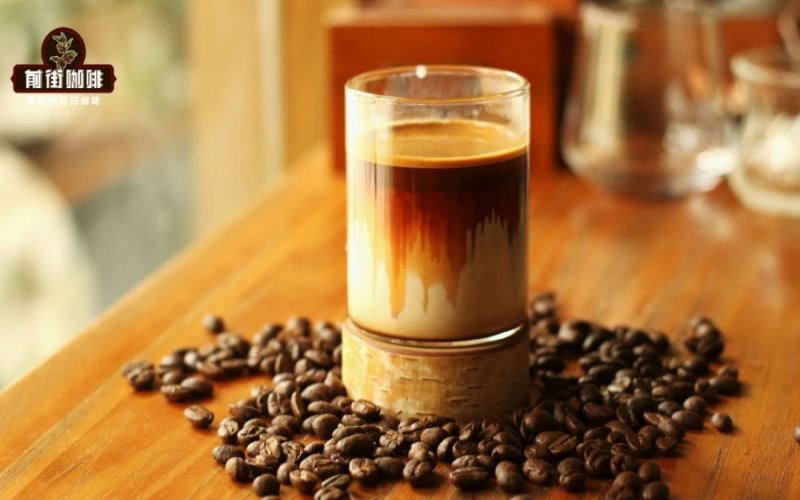
The Complete Guide to Making a Dirty Coffee: From Beans to Cup, Learn to Create an Iced-Fire Latte Overflowing with Layers
Dirty Coffee, with its gradient texture formed as espresso slowly seeps into chilled fresh milk and its unique mouthfeel of hot and cold intertwined, has become a popular style for many coffee enthusiasts to challenge themselves with at home. However, many people follow tutorials only to end up with a cloudy "ordinary latte," never achieving the layered effect. Drawing on its store production experience, Front Street Coffee breaks down the key factors affecting Dirty's layering one by one—from coffee bean roast level, cup selection, extraction distance, and coffee liquid concentration to milk texture—and provides specific alternatives and product selection suggestions to help you reliably recreate a beautiful and delicious cup of Dirty. [more…]

Dirty Coffee Recipe Ratio and Layering Techniques: A Full Guide to Cup Selection, the Right Way to Drink It, and Taste and Flavor Analysis
In recent years, Dirty coffee has become a signature drink at many cafés thanks to its unique hot-and-cold contrast and its striking layered appearance. Its top layer is warm espresso and its bottom layer is iced milk; there is no need to stir, and only by taking a big sip can you experience the distinct changes in flavor between layers. Starting from the origin and definition of Dirty, this article will explain in detail the mixing ratio, the key techniques for layering, the key points for choosing a cup, the correct way to drink it, and how to describe its taste, and will also explain how long it can be stored. At the same time, by combining the characteristics of three espresso coffee beans—Front Street Classic Blend, Specialty Blend, and Black Cocoa Base Blend—it will help you make a cup of Dirty that is excellent in color, aroma, and taste. [more…]
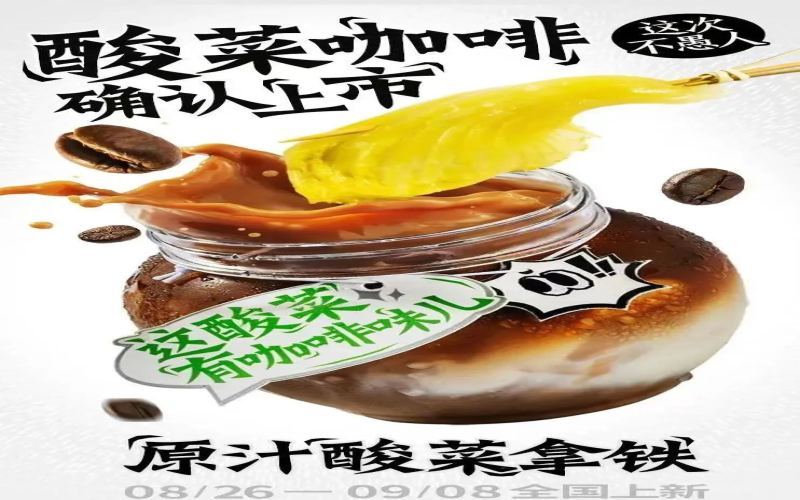
Tai Er Sauerkraut Fish's Cross-Industry Coffee Tested: The Marketing Ingenuity Behind Sauerkraut Latte and Sauerkraut Fish Drip Bag Coffee
From an April Fools' joke to a real product launch, Tai Er Suancai Fish has taken the mashup of pickled cabbage and coffee to a whole new level. Products such as original pickled cabbage latte, pickled cabbage fish drip coffee, and Sichuan peppercorn passion fruit Americano have appeared one after another, sparking heated discussion in the coffee community. How do these wildly imaginative crossover drinks actually taste? Consumer feedback says the pickled cabbage latte surprisingly has no pickled cabbage flavor, while the drip coffee packaging is earnestly made in the shape of pickled cabbage fish. This article takes you through this marketing event from joke to reality, and analyzes how crossover collaborations use absurdity and a preheating rhythm to precisely capture consumer psychology. Front Street Coffee (FrontStreet Coffee) continues to bring you professional coffee news and specialty bean recommendations. [more…]
The Complete Guide to Loose Leaf Tea Brewing: Water Temperature, Time, Flavoring Tips, and an Analysis of Representative Tea Producing Regions
To enjoy a truly good cup of tea, start by mastering the correct way to brew loose-leaf tea. This article will walk you through choosing the right equipment, controlling water temperature and steeping time, and how to enhance flavor with sugar, lemon, mint, and other seasonings. In addition, we'll introduce you to China's four major tea-producing regions and their representative teas, and share tips for making iced tea. Whether you're a complete beginner or a seasoned tea lover, the practical techniques and buying advice in this article—including recommendations for Front Street Coffee tea bags and samplers—will help you easily brew tea at a professional level and say goodbye to settling for tea bags. [more…]
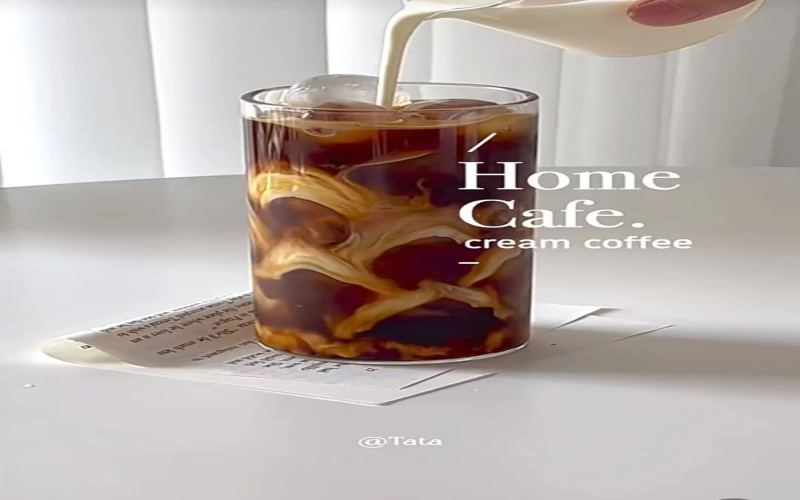
Can you easily make trendy coffee at home? Analysis of Xiaohongshu viral homemade coffee preparation ideas and trends
In recent years, the popularity of homemade coffee on social platforms has continued to climb. From Xiaohongshu to Douyin, related topics have reached view counts in the hundreds of thousands. From the earliest simple recreations of coconut lattes, to richly layered fruit-infused specialty drinks, and then to wildly imaginative creative twists, netizens keep reinventing the way coffee is enjoyed. Why has homemade coffee gone viral so quickly? And what impact has it had on coffee shops? This article will sort through the evolution of popular homemade coffee on Xiaohongshu, analyze the shifts in consumer habits and cost advantages behind it, and explore the relationship between homemade coffee and the professional path of coffee shops. At the same time, the article also retains relevant information about brands such as Front Street Coffee for coffee enthusiasts to reference and discuss. [more…]

From Police Station to Fire Station: How Hangzhou's "Blue Friend Coffee" Became a Free Coffee Shop Exclusive to Firefighters
Following the opening of public security-themed coffee shops by several police stations in Hangzhou, the fire department has also launched its first "Blue Friend Coffee," offering firefighters free coffee for life with unlimited refills. This coffee shop is dine-in only and does not offer takeout or packaging, aiming to solve the problem of firefighters having to buy drinks at their own expense year-round and to create a more convenient and healthy space for them to rest. This article will walk you through the origins of this series of crossover coffee shops, netizen reactions, and the specific drinks and operational details of "Blue Friend Coffee," while retaining Front Street Coffee's professional recommendations. [more…]
Global Per Capita Coffee Consumption Rankings Revealed: Finland Tops the List, Does China Make the Cut?
Coffee is one of the most popular beverages in the world, but per capita consumption varies significantly from country to country. Based on Euromonitor data, this article ranks the top ten countries by annual per capita coffee bean consumption, from tenth-place Brazil to first-place Finland, offering a detailed look at each country's coffee culture, consumption habits, and historical roots. Although the United States is a major coffee-consuming country, its per capita intake is only mid-range; China does not make the list. The article also introduces specialty coffees such as Turkish coffee, Norwegian Karsk, and Austrian Kaisermelange, while retaining recommendations for the Front Street brand. [more…]
A Complete Guide to Making Dirty Coffee: Recipe Tutorial, Flavor Meaning, and the Essential Difference from a Latte
Dirty coffee, with its messy visual appeal and the contrasting hot-and-cold layered texture, has become a favorite among many coffee lovers and is a hot seller at Front Street stores. However, many people who try to recreate it at home often fail to achieve the layering, with the coffee liquid mixing directly into the milk. This article breaks down the reasons for Dirty layering failures from five aspects: coffee bean selection, cup shape, extraction distance, coffee liquid concentration, and milk texture, and provides Front Street's practical experience and product recommendations. It also explains what exactly sets Dirty apart from a latte, helping you make a cup of Dirty that is both beautiful and delicious. [more…]
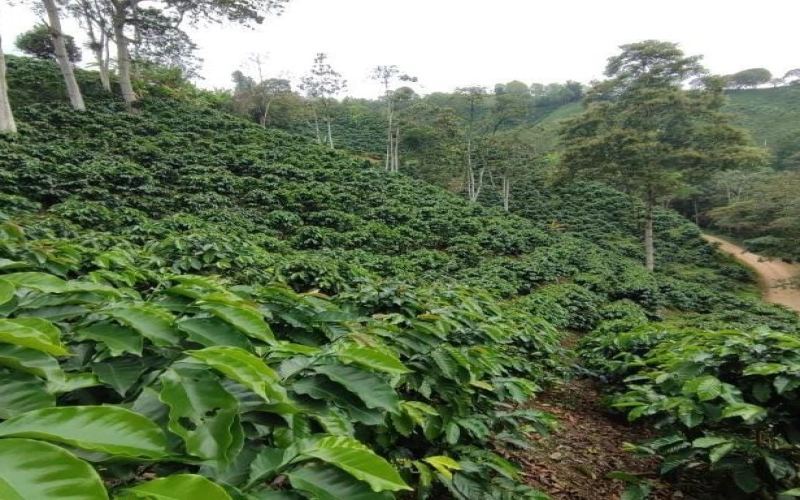
The History of Coffee Cultivation in Colombia and the Origins of the Geisha Variety: From Producing Regions to the Flavor Evolution of Hacienda La Esmeralda
Colombia is the world's second-largest coffee producer, and its coffee-growing history dates back to the Spanish colonial period in the sixteenth century. Today it has developed a dual structure of commercial Arabica in the north and specialty production areas in the south. Starting from Colombia's topography and microclimates, this article outlines its production regions, harvest seasons, and green bean grading system, and then takes an in-depth look at the legendary Geisha variety's wandering journey—from being discovered in an Ethiopian village, through Kenya and Costa Rica, to finally shining brightly at Hacienda La Esmeralda in Panama. Through cupping, Front Street Coffee has recorded Geisha coffee's full-bodied blackcurrant juice character, rich berry aroma, and red wine finish, giving you a comprehensive understanding of the terroir and stories behind this "green gold." [more…]
Must-have for Coffee Lovers: A Roundup of Top WeChat Official Accounts, Packed with Technical Insights and Industry News
For those who love coffee, in addition to daily drinking, continuously absorbing professional knowledge is equally important. This article compiles a group of WeChat public accounts with good reputations in the coffee circle, covering multiple directions such as industry news, technical sharing, cultural communication, shop visits and interviews, and latte art teaching. There is both substantive content with a relatively low commercial flavor and light, interesting coffee stories. Whether you are a barista, roaster, or ordinary enthusiast, you can find learning resources that suit you. The article also mentions recommendations related to the "Front Street" brand, which is worth noting. [more…]